Seneca Lore

We’re continuing our drive down Highway 27, which runs down the spine of Crawford County, from Sparta, to Viroqua, and down to Prairie du Chien. I grew up in the heart of Crawford County on the Scheckel farm 2 miles northwest of Seneca. I was born in 1942 and spent ages 3 to 18 on that 238 acre farm before going into the military in 1960.

We passed through Rising Sun, Fairview, Mt. Sterling, and glanced over at Evergreen Cemetery next to the Dan Boland farm. Right now, we’re lingering a bit in Seneca. While the Norwegians favored the Lutheran Church in Mt. Sterling and a bit north at Utica Lutheran Church, the Irish flocked to St. Patrick’s Catholic Church on the southern edge of Seneca.

One of my early memories of any ‘church’ stuff was the funeral for our neighbor Joe Bernier. Joe Bernier went to see Dr. Farrell in PDC, which was in the Beaumont Hospital . Dad and Mom went to see him. The doctor said it was just the flu, but Mom noticed that Joe’s eye was off to the side. She thought he had a stroke. Joe went home to Laskaski’s in Seneca, the big house across the road from St. Patrick’s Catholic Church.

Joe Bernier died in bed a few days later on Jan 28, 1951. He was not quite 48 years old. Joe and his brother, Bill, both bachelors, often came up to our house, about a quarter mile away, to play cards with Dad and Mom especially in the wintertime.

Joe was gregarious and talkative, whereas Bill was more quiet and taciturn. Joe rolled his own cigarettes, carried a tin of tobacco and a book of cigarette paper. Joe wore a floppy hat and bib overalls. He sat in the same rocking chair every time he and his brother visited.

Joe would retrieve a tin of Prince Albert tobacco from the bib of his overalls. Next, he would reach in and extract a book of cigarette paper, and tear off a sheet. He would shape the cigarette paper in form of a trough, hold the trough of cigarette paper between two fingers and open the lid on the bright red Prince Albert tobacco can. Holding the tin horizontally, Joe would tap the top side, moving back along the trough of paper, and carefully fill the cigarette paper with shredded tobacco.

Joe closed the lid on the tobacco can with one hand and while holding the tobacco filled tray in the other, and placed the Prince Albert can back in his bib overalls. Now, this is the only time he stopped talking. Carefully, Joe Bernier took a hold of both sides of the tobacco tray paper, brought it up to his lips, ran his tongue along the outside, lowered it, and carefully brought the other side of the tobacco paper over the top of the exposed tobacco and gently pressed it against the wetted side. It made a nice seal. Now he started talking again.

Joe Bernier

Joe placed the “roll your own” cigarette in corner of his mouth, jiggling it up and down as he talked and laughed. He brought out a little box of matches, with one leg crossed over the other, the bottom of his shoe exposed to a striking match head. He brought the flame up to the end of the cigarette, took a few inhaling drags, and leaned far back in the chair, held his head back, as the smoke rose to the ceiling. Joe Bernier’s ritual never changed. Phillip, Bob and I found it fascinating. Joe could blow smoke rings. We boys would climb up on an adjacent chair and run our hands through the smoke ring.

I recall bits and pieces of the funeral. It was bitter cold. Dad later recalled that it was 30 below zero on Jan 30, 1951. I remember going into the Laskaskie house in the evening, lots of people around, and walking with Dad and Mom and others in my family over to the casket. There were a lot of people talking in low voices. I was eight years old and although I had been to other funerals, it was the first time I saw the deceased in the casket.

At that time, ‘wakes” as we called them, were held in the deceased family’s home, not a funeral home as they are today.

I don’t remember anything about the funeral Mass, but I remember seeing the casket being put into the ground, and there was no vault, as we have today, only a wooden casing. I can recall us walking back to the black Chevrolet car and going home. I recall Dad saying later that “Joe Bernier was the best friend I ever had.”



Posted in Uncategorized | Leave a comment

Moving Through Crawford County

We’re traveling down through Crawford County from Rising Sun to Prairie du Chien, Wisconsin. For 170 years Highway 27 was an established route between Prairie and Black River Falls. Right now, we’re lingering a bit in Seneca.

Seneca is known as the home of Ben Logan, the author of The Land Remembers. According to local lore, Ben Logan was a bit sour on Seneca. Seems that high school principal Gordon VanTill told Ben that he wasn’t cut out to be a writer. Ben Logan graduated from Seneca High School in 1938.

Our family was introduced to Ben Logan when came to Tomah in 1980 and did a reading at the Monroe County Farm Progress Days that were held just west of the city limits on the Zastoupil and Steinhoff farms. Our boys were 10 and 12 years old and we all walked out to the tent where Logan was speaking. Then we visited the “underground” house that had been built into a side hill.

The Land Remembers

In 2004, the last of school in Tomah in early June, there were no classes for students as they had a special clean-up and activities day. So I had an appointment in La Crosse, then went down the Mississippi River, to Lynxville, and up on the ridge on County Highway E to Seneca. Visited my mother, then Seneca High School, and went out on Taylor Ridge, left on Hall’s Branch Road, right on Zintz Road and stopped at Ben Logan’s Seldom Seen farm.

As luck would have it, he was out west of the house planting garden helped by a neighboring lady. So I had a chance to chat with Ben Logan and I considered it quite an honor.

All those scenes described in his The Land Remembers became real; the house, barn, big maple trees, the white pine tree west of the house that he climbed up into at age 16 after losing his mother the past winter, and the surrounding fields and woods.

In our next blog, we will remain in Seneca and discuss a few of the odd people that lived there.


Posted in Uncategorized | Leave a comment

Journey Through Crawford County-Seneca

We’re continuing or trip down through Crawford County. Right now, we’re holed up in Seneca. When we were in high school, we have religious instruction for high schoolers every Monday night at St. Patrick’s Church. One early evening in 1958, Jewel Larmore’s wife, Gertude Mary, was hit and killed by one of our classmates. She was crossing the street, walking between their Mobil Station and the area of Johnson’s Store and Sullivan’s Bar when she was struck by a pickup truck. It was nighttime and she was dressed in dark clothing and wasn’t seen by the driver. No blame was assessed, but she was missed by the community.HouseOnFarm2

I wondered why Dad bought gas at McCullick’s and Larmore’s. We had plenty of gas on the farm for the tractor. Turns out the gas used on farm was taxed differently than gas both at a filling station. Any farmer might have to prove he bought gas for the car at a commercial gas station. He kept receipts.

We did not have a freezer on the farmer. We had a refrigerator and a small compartment inside was a freezer, but it couldn’t hold much. Mostly for making ice cubes.

Dad and Mom rented 2 big bins at Jim Honzel’s locker plant. It was across from Johnson’s Grocery Store, and had a rounded concrete roof. From behind his counter, Honzel greeted people coming through the door. Patrons picked up the keys to their locker, opened a heavy wooden insulated door, and immediately stepped into sub zero wintertime.

Oh, how we loved visiting the locker plant, scurrying along behind Dad, shivering, picked out the packaged meats, the names of the cuts were ink stamped on the plain brown wrapping paper. Those frozen cuts of meat were harder than concrete.

Honzel’s also did butchering, so when our family became a little more affluent, which means the farm was paid off, we would take a steer or heifer to the locket plant, and several weeks later we got the steer or heifer returned to us a little bit at a time!

Shopping done, Dad would go into Sullivan’s Bar and have a tap beer or two and he would leave us boys in the car to finish our ice cream cone. I think the longest we ever waited is 15 minutes. If it got longer, Dad would come out to the car and have us come in and sit at one of the stools or tables.

Stools were fun because the tops spun around and you could sit there twist back and forth and twirl round and round. That was great fun. Dad would buy us a soft drink in a glass. I think Sully opened one bottle of pop and poured it in 3 beer glasses and served it to Phillip, Bob and me.

Sully’s had one of those Hamm’s beer light shades that shimmered . It had a canoe on a stream with Hamm’s beer bear, “From the Land of Sky Blue Waters”. Sullivan’s tavern had an old black and white television set mounted close to the ceiling, up in the far corner.

Television was quite a novelty. We didn’t have television at home. Periodically, one of the Hamm’s beer commercials would run on TV. In one memorable 30 second commercial, a beaver gnawed a tree, the tree falls over, and the Hamm’s bear jumps aboard the log. The Hamm’s bear is floating down the river on a log, a big Hamm’s logo engraved in the side of the log, the bear doing some fancy log rolling. A goose flies overhead and hands the bear a sign. The bear unfolds the sign and it says “Hamms, the beer refreshing”. A female and male voice sang a ditty, with drums beating.

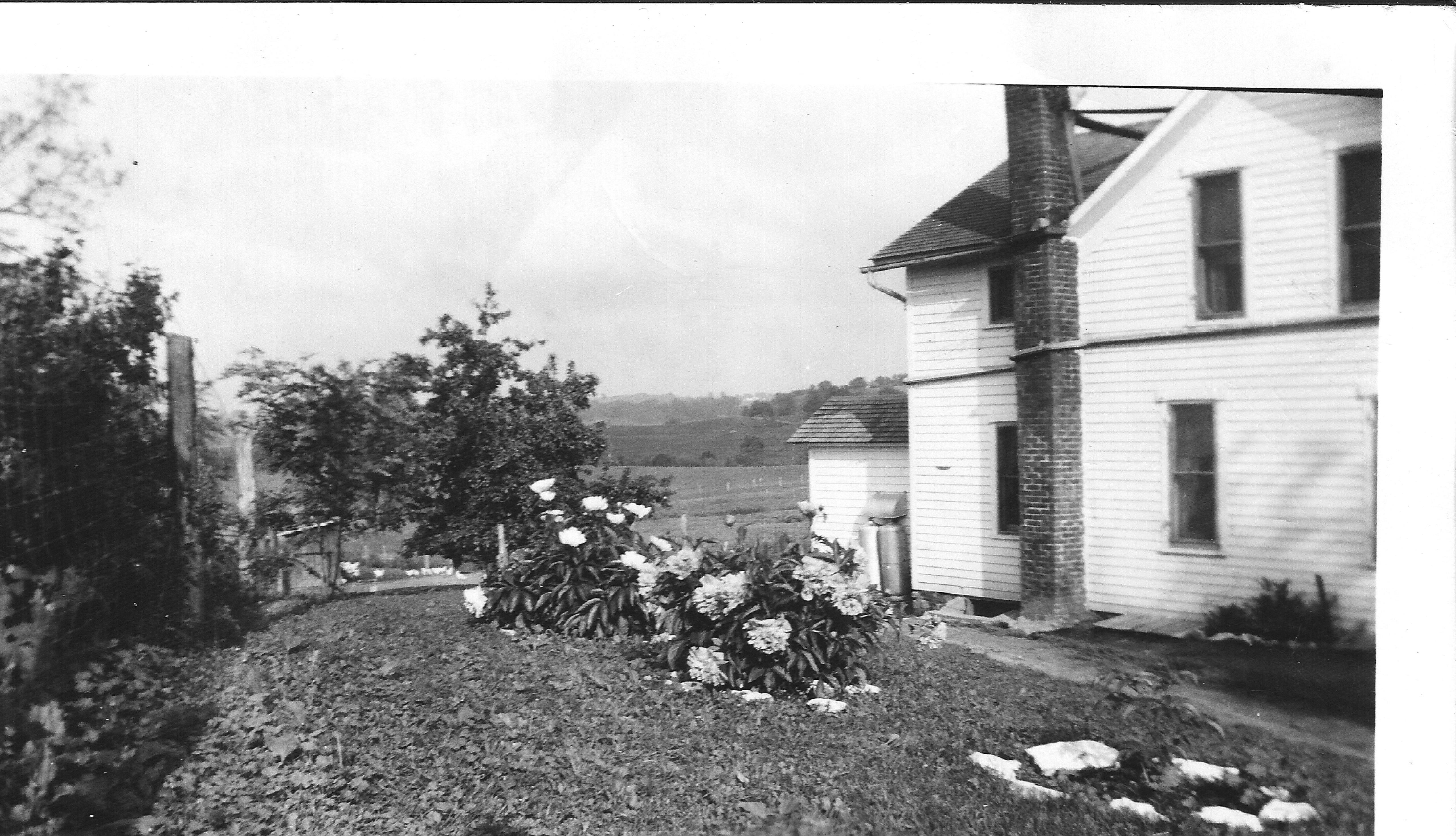
In our next blog, we’ll linger in Seneca for awhile. Picture of our house on the farm. Our Mother loved flowers.


Posted in Uncategorized | Leave a comment

Journey thru Crawford County

We’re continuing our journey down through Crawford County. If you stand on the sidewalk in Seneca, you’re just about in the very center of the County. Our Scheckel farm was a bit less than two miles northwest of Seneca.

When I was a kid in the 1940s and 1950s, two stores serviced the farmers and townspeople in the area; Johnsons and Kane’s IGA store.

DadMomRosemary'sWedding

Kane’s had dry goods were displayed on open wooden tables with a railing around each table. Shoes, clothing of all types, belts, gifts, knick-knacks, house hold appliances of every description, salt blocks, tools, and feed supplements for livestock.

While Dad filled the order list that Mom had given him, Phillip, Bob, and I wondered around the tables. “Don’t touch stuff” Dad would caution. Of course, we touched stuff, especially the toys.

Dad would buy a candy bar for Mom and often a small sack of candy for us kids. We carried the groceries out to the car. Turn the car around and park on the opposite side of the street, and go into Johnson’s Store.

Bob Johnson, tall affable man, bought a store in 1937, building a feed mill across the street a few years later. Johnson’s catered to farmers and their needs, later opening a grocery, hardware, feed mill, combination and billing it as Johnson’s One Stop Shopping Service. He located it on the Dan Kane farm. The feeling was that “if they don’t have it, you don’t need it”.

Bob Johnson was quite a promoter. He was the Doboy Feed dealer for the Seneca area. Doboy Feeds was headquartered in New Richmond, Wisconsin. Bob was the son of Tommy Johnson that often cut our hair. Bob’s son Jerry took over the store when Bob and his wife retired.

Bob Johnson sponsored a country western band and comedy group to come to the Seneca gym and our whole family attended. Some of the jokes must have been a tad on the risqué side, as my mother commented on the way home that “there was no need for all the dirty talk”. I was about eight years old and I didn’t pick up anything naughty!

Seneca had a memorial to the servicemen that fought in WWII. It was like a white picket fence. If I remember correctly, it was located a tad north of Honzel’s Locker plant. It had white slats with the name painted in black letters. I liked reading  the names. It was later lost or torn down.

Dad filled up with gas at either of two filling stations, McCullicks Sinclair in the middle of town. Max McCullick was well liked by teenagers, many hung out there. He had a one-car bay for servicing vehicles. We enjoyed watching cars being raised about 5 feet by a hydraulic lift. The serviceman could change oil and work on tires. Kids could buy soft drinks, candy, and ice cream cones. I always remembered McCullick’s as the starting point for two of my classmates who ended up dead in a car accident ten minutes after departure.

Jule (Jewel) Lamore’s Mobil Station was at the south end of town. Jule was quiet man and had club feet.  That is what we called them. Mom said it happens at birth and there is nothing you can do about it. I know we kids stared at his feet and we were told not to, but we did anyway. He had to get special shoes made for his feet.

Picture: My Dad and Mom in 1953 at the wedding of their oldest daughter, Rosemary, my sister, married to Joe Boland on his return from Korea.


Posted in Uncategorized | 1 Comment

Traveling Through Crawford County

We’re driving south through Crawford County on Highway 27 where I grew up on a farm 2 miles northwest of Seneca. In the mid 1800s, Seneca was an overnight stagecoach stop

ManeyFarmThreshingBigBarn

between Prairie du Chien and Black River Falls.

When I was a kid on the farm, the term “going to town” usually meant going to Seneca. Seneca got started in 1857, when land owner Sam Langdon had 10 acres surveyed  and platted. Seneca is named after a Seneca in New York State. Langdon built a hotel and the road thru Seneca became known as the Black River Road.

Seneca was a stage coach stop. It had a blacksmith shop, trading post, drug store, shoemaker, harness shop, and wagon maker. That blacksmith fellow was said to be “the best damn blacksmith in Crawford County, even if he was drunk half the time”.

Going to town was exciting as a kid. There were always people walking about, greeting each other with waves, going in and out of stores.  Tractors, wagons, and machinery moved right down main street. Main Street was actually Highway 27. Seneca had one other street. We called it “the back street”. Back street had a few houses and Ervin Walker’s garage. There was a turn off that went east out of Seneca, called Taylor Ridge. Ben Logan lived out on Taylor Ridge.

Donald Trehey ran the Post Office. James Honzel had a locker plant with a few holding pens in the back. Seneca Stockyards on the edge of town.

There were two grocery stores,  Kane’s IGA Market  and Bob Johnson’s Grocery Store. Dad and Mom shopped at both. Mom would make out a grocery list as the days passed on the farm. Dad would most often pick up the list when he went to town.

We kids always wanted to go to town with Dad. Both stores opened for a few hours on Sunday morning for the “church crowd”. There might be a store visit after taking some pigs or cows to market. Dad banked at Prairie City Bank, run by Clarence Paulson, and right next door to Kane’s IGA.

Kane’s IGA was started by J.H. Finley and W.D. Kane and later son-in-law Harold Trehey. The grocer I remember was Harold Trehey, who stood behind the counter and filled the order that Dad had on his list. Boxes of cereal were on shelves stacked up near the ceiling. Mr. Trehey used a long pole to tip a box of cereal over and catch it in his arms. He put it with the other items on the counter.  The shopper did not go up and down the aisles picking up items. All the groceries were put in brown paper bags. Picture: threshing oats on the Maney farm (later the Scheckel farm) in the late 1930s.

More about Seneca in our next blog.


Posted in Uncategorized | Leave a comment

On the Road Through Crawford County

We’re driving down Highway 27 from Tomah, thru Sparta, Westby, Viroqua, and enter Crawford County at Rising Sun.  I grew up in the heart of Crawford County on the Scheckel farm 2 miles northwest of Seneca. On our last visit we passed the Lynch farm and are now approaching Seneca. On the north end was the Vedvik saw mill.  Jacob R. Vedvik (1885-1975) and Agnes Vedvik (1898-1975) were the parents of Howdy and Jacob.

Farm1953WeddingJoeRosemary 001

The Vedvik’s came from Nordfjord, Norway near the village of Stryn. Vedviks remain living and farming 100 acres or 400 mal , and the name of the farm is Vedvik.  Jacob (senior) came to the United States at age 18 or about 1903.

Jacob (the son) was born in 1924 and seems to know all the history of the Seneca area. Jacob’s mother was an Anderson and taught four years at Stony Point School, starting in 1918. She, Agnes (Anderson) Vedvik, then taught two years in Seneca, three years in Eastman, and was  principal for four years at Seneca Grade School. She married Jacob Vedvik, Sr. after her last year of teaching.

One of her students was a James Maney and was in Agnes Vedvik’s eight grade class in Seneca. He lived on our Scheckel farm. My Dad bought that farm from Pat Maney, Jim’s father, in 1945.

Jacob and other Norwegian kids attended the Norwegian School on the Payne farm two weeks each late summer until they were confirmed in the Lutheran faith. Those two weeks overlapped with the public schools in the area, so they missed two weeks of public school in early October.  Payne bought that farm in 1936-37 from Jacob’s grandfather.

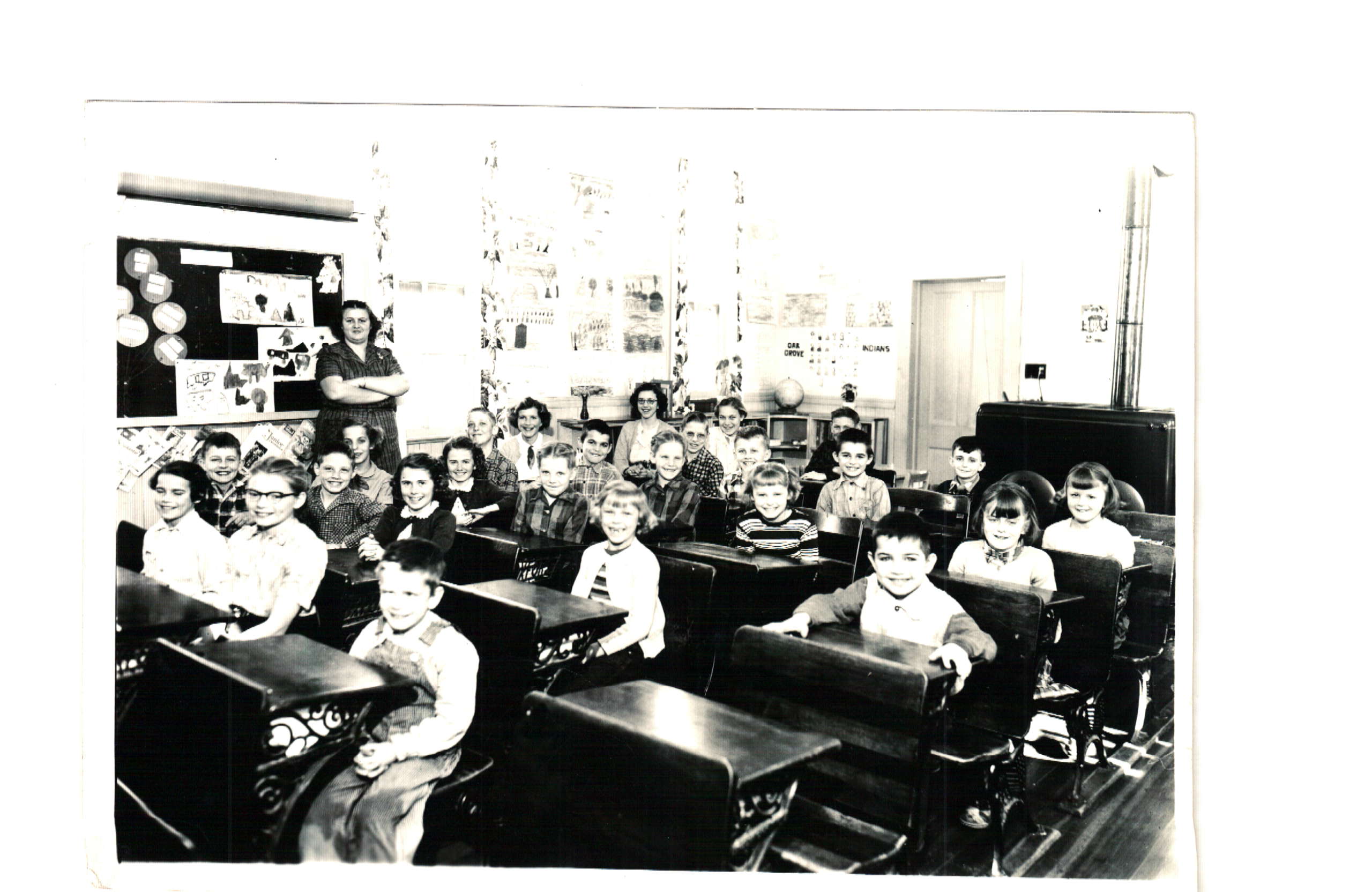
When I was ten years old, our Dad, Alvin Scheckel, took Phillip, Bob and me into that Norwegian school that was right across the ShortCut road next door to our land.  The school door was not locked and Dad told us not to touch anything. The school had no electricity, but had kerosene lamps, with reflectors, on the walls. Shutters  protected the glass windows. It amazed me that the Norwegian school was about the same as our Oak Grove School; wooden desks, teachers desk up front, blackboards, pot bellied wood-burning stove, American flag, large photos of Lincoln and Washington, pull-down maps, and shelves for books.

That old Norwegian School was taken out of there in about 1950 and is now a private house in Gays Mills. We kids on the Scheckel place saw that school carried on a flatbed truck, going up Shortcut road, turning left and moving slowly up the hill next to our  “hill pasture”.

In his youth, Jacob Vedvik “rode the carriage” of that sawmill. We Scheckels cut some big logs, loaded three at a time on a box wagon, and used the Massey Harris ’44 to haul them to the Vedvik saw mill in Seneca.  Later, we brought the sawed lumber and the slabs back to the farm. We built a corn crib and hog house with the lumber and cut up the slabs for firewood.

When I was in high school at Seneca from 1956 to 1960, Jacob Vedvik was my math teacher, and a very good one.


Posted in Uncategorized | Leave a comment

Approaching Seneca

We continue our drive from Tomah, Wisconsin, in Monroe County, through Vernon County, and into Crawford County where I grew up on a farm 2 miles northwest of Seneca.

We’re taking Highway 27, which runs through the heart of the Crawford County, from Sparta, to Viroqua, and down to Prairie du Chien. These farms, these people are close to my heart as a flood of memories of times growing up in this area.

We visited Stony Point School on our last blog, a school that is no longer there. Over a slight rise and around the bend we come to the farm that Rollie and Arlie Anderson grew up.  They went to our Tomah High School. Their mother died when they were 2 or 3 years old, and the father raised the two boys. Arlie later married Donna Kneeland, who was in my high school class.

A quarter mile south on Highway 27 we come to the Lynch farm, a farm we can see from our farm on Oak Grove Ridge. Byron Lynch and Dorothy Lynch brought their kids, John, Charles, Mike, Mary, Dorothy, Susan, and Jane to church and catechism classes. And they attended Seneca High School. I thought there was an Ann Lynch also.

Dorothy Lynch was actually from Canada. Her family moved to Jamestown , North Dakota, where she went to high school, and later came to live in Wisconsin with an aunt and uncle. She trained as a nurse and died of cancer in mid age, very tragic.

Katheryn Lynch was a sister to Byron Lynch and she was the Crawford County nurse. She came out to Oak Grove School once or twice a year to check on the kids and give out a supply of goiter pills. Two goiter pills per week on a Friday. The Scheckel boys stole a few extra if we could get away with it. They were chocolate flavored.

I remember her as tall, willowy, smartly dressed. She checked immunization records. I don’t believe she ever married, and lived from 1902 until 1990. She showed the 28 kids of Oak Grove School what good posture looked like. I recall how we put a book on our head and walked around, straight and head held high, so the book won’t fall off. We had a lot of fun with this activity, deliberately shoving or pushing a neighbor kid to make his book fall.

In our next blog, we’ll edge into Seneca, right pass the Vedvik saw mill.


OakGroveSchoolMrs. Ray

Posted in Uncategorized | Leave a comment

Travelling Through Crawford County

In this series of weekly blogs we are driving down through Crawford County, taking Highway 27, from Viroqua to Prairie du Chien. Seneca is perched in the heart of Crawford County and our Scheckel farm was 2 miles northwest of the former stagecoach stop.

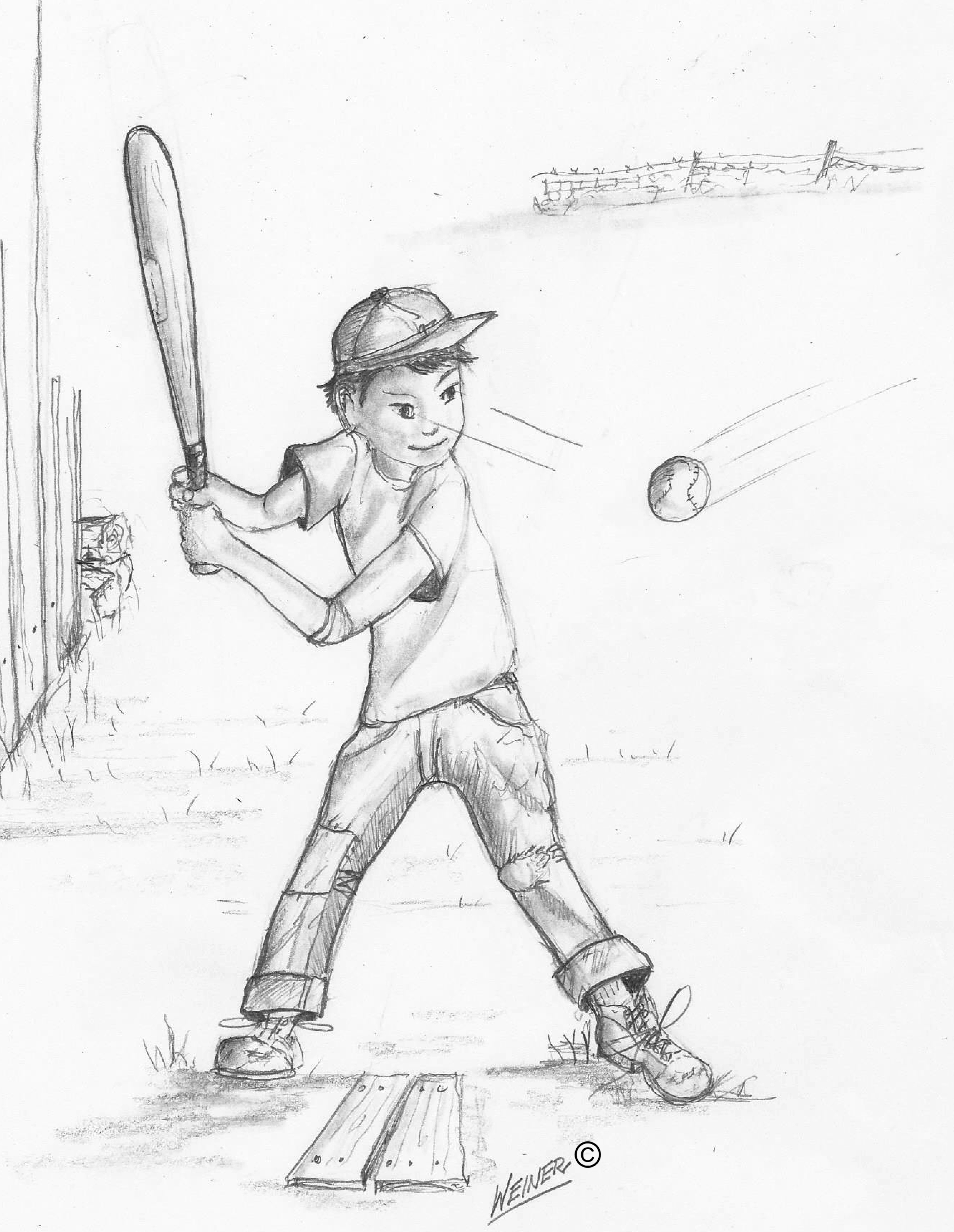
We’re approaching Stony Point. It was rumored that this area had many underground caves. We Scheckel boys asked about these caves a few times. Seems nobody knew where any cave was located. But we did know where the one-room Stony Point school was located and we Oak Grove kids played Stony Point in softball games.SK 40 Softball batter

Over the eight years of my elementary schooling, from 1948 to 1956, we played Progressive Ridge, Hall’s Branch, and Lynxville schools as well as Stony Point. Seems to had one “away” game each year and one “home” game. All 28 kids would pile into three cars and off we would go for an afternoon softball game. Two parent volunteers would drive in addition to the teacher. No seat belts, eight or nine kids to a car, a few bats and softballs. Some kids had a softball glove, most did not.

Let the game begin. If any male drove one of the cars, he would be pressed into being the umpire. Our teacher, Mrs. Ray, was the umpire one time at Hall’s Branch school. She stood behind the pitcher, made no gestures, just softly “you’re out” or “safe”. She didn’t know the difference between a “ball” or “strike” on pitching. Bob and I were sure she “costed” us the game when I was in fifth grade and my brother Philip was in sixth  grade. We talked about it at home for several days.

We have the game won at Lynxville the next year. But wouldn’t you know it, Mrs. Ray put in a few first and second graders in the last inning, so “they could get some experience”. One kid threw the ball to second base when it should have been an easy play at first base. And that was just  the start of a whole series of mistakes and we end up losing again.

There is one thing I learned when our Oak Grove school kids went to play “on the road” or when one of those one-room country schools’ kids came to visit us. Turns out, those kids were just like us!


Posted in Uncategorized | Leave a comment

Continuing Down Into Crawford County


We continue our weekly blog of driving down through Crawford County, taking Highway 27, which runs down the spine of the County, from Sparta, to Viroqua, and down to Prairie du Chien. In the mid 1800s, Seneca was an overnight stagecoach stop between Prairie du Chien and Black River Falls.

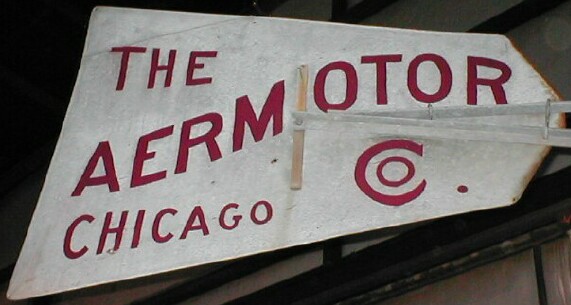
On our memory trip through Crawford County, we leave the pastoral rural Evergreen Cemetery and head toward Seneca. We pass the Olson farms on the right. And that reminds me of the Olsons. Every few years it seemed, Dad had to call Kimmel Olson to come out to our farm with his truck and rig to “pull the pump”. Dad knew how much water should come out of the spout on each upstroke. If insufficient water came up, there was a leak in the pipe. Or the cylinder in the bottom of the well had problems with the valve seals.  The thin rod, known as the “sucker rod” moved up and down the two inch pipe and tended to rub on the inside of the pipe and wear holes in it.

Aermotor windmill 2

So Olson would come, attach his equipment to the piping, and one pipe section at a time would be pulled up. The two inch diameter pipe and the thin sucker rod that went all the way down to the bottom of the well were inspected and laid out on the grass. A leak or two would be found and a new section of pipe put in its place.

At times the wind might not blow enough to rotate the Aermotor. The water levels in the two cisterns would get very low. To overcome the lack of wind we had an old gasoline engine that could power a pump jack. The pump jack could be hooked up to the sucker rod instead of having the windmill do the work.  With gears turning and parts clanking away, they yielded quite a rhythmic sound.

I loved climbing up the ladder to the highest point on the windmill and looking over the farm stead and countryside.  It seemed a little scary and a bit daring.

The Tilman Olson family lived along Highway 27 between Mt. Sterling and Seneca.  Elmer Olson as a friend of my older brother Ed.  Leonard Olson married Ilene Fradette, Tom Olson married Phyllis Sprosty.  Janet Olson became a teacher in Seneca. Every time I pass the Olson farms, I think of those successful and resourceful Norwegian immigrant families.

In our next blog we will come to the Stony Point one-room country school.


Posted in Uncategorized | Leave a comment

Continuing Down Crawford County

Source: Continuing Down Crawford County

Posted in Uncategorized | Leave a comment