An Early Frost

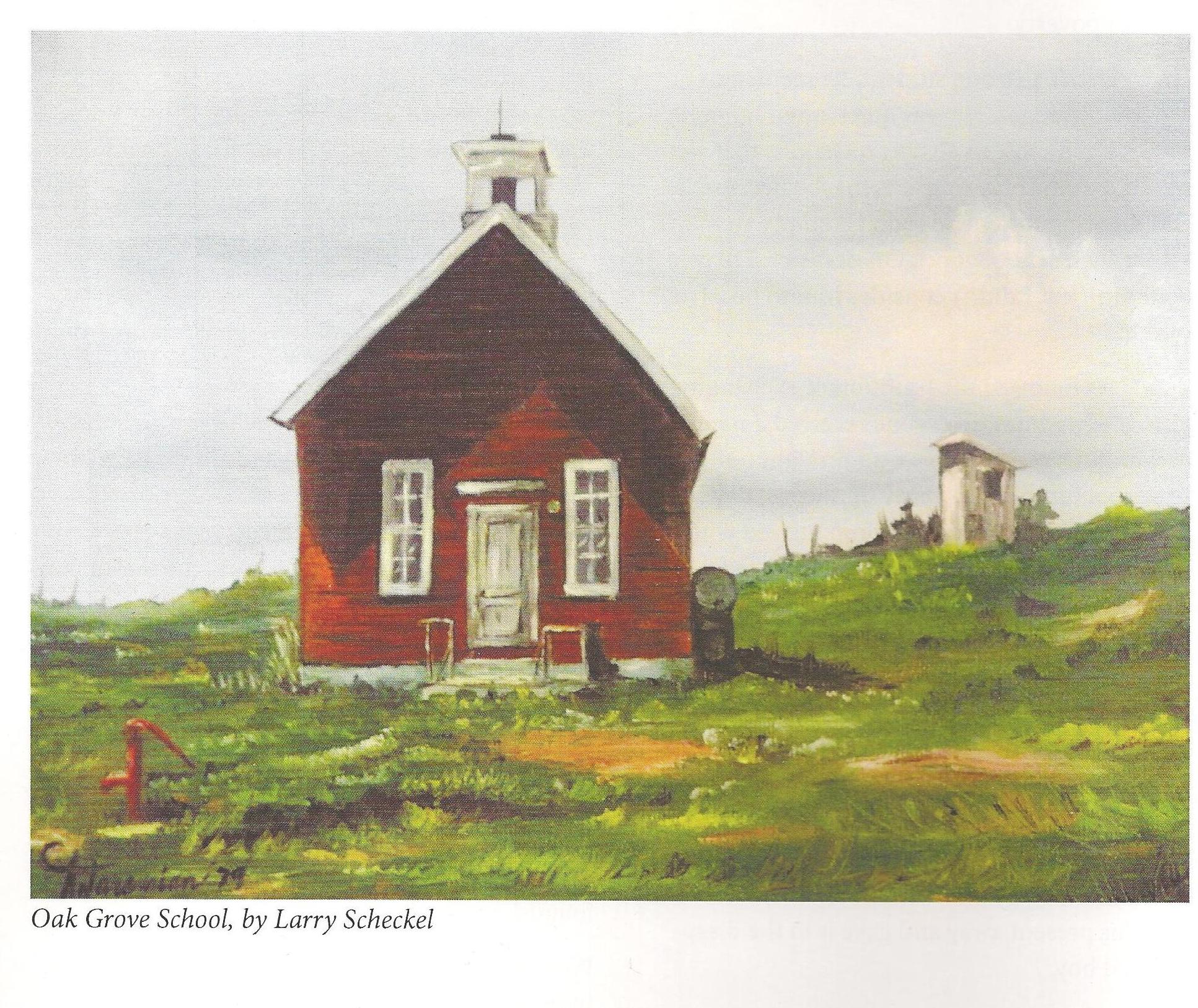
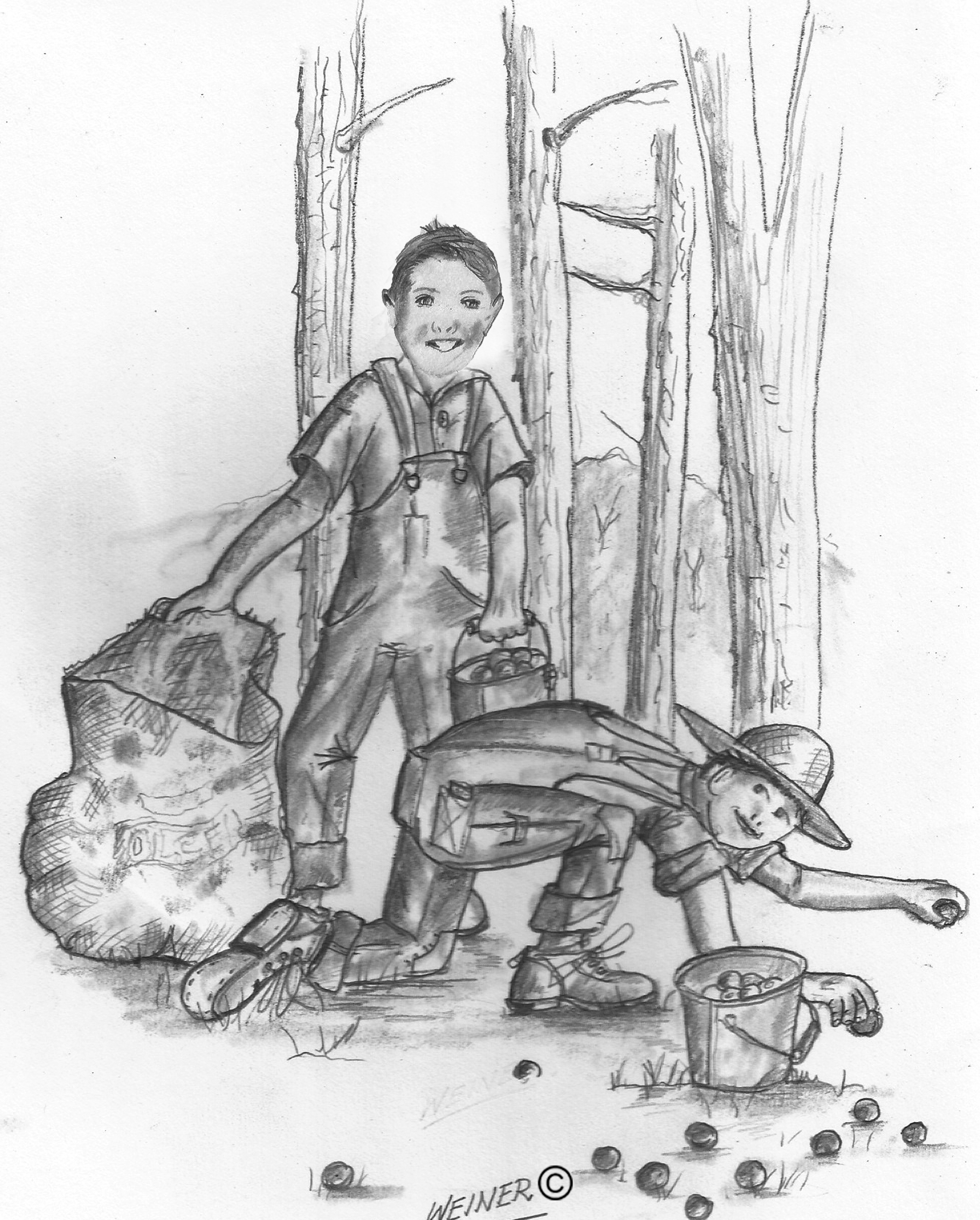
We awoke yesterday, Saturday morning, September 29, to witness the first hard frost of the Fall season. Our temperature gauge read 30 degrees. There was frost on the grass and frost on the house and garage roofs. We three Scheckel boys growing up on the Crawford County farm outside of Seneca in the late 1940s and 1950s looked forward to Fall. It was the opening of the squirrel hunting season.

Fall is the most enjoyable of seasons, full of sights, sounds, and smells that delight the senses. The skies are pleasant as the humidity of summer is largely behind us, and the white cumulus clouds stand out against the azure blue sky. The sumac has turned bright red.

Rabbits, in abundance this year, hasten to their hiding places. Squirrels gather nuts, storing them for the long winter ahead. Butterflies are abundant. We see sandhill cranes feeding in the harvested oats and hay fields. Wooly bear caterpillars are spotted. I stopped to examine a couple of them. They will tell us about the winter ahead. Narrow brown band means a bitter winter ahead. Wide brown band will indicate a mild winter. You can count on it. What’s the verdict for this year? I find a wide band, it’s going to be a balmy winter. No need to travel south this year!

A few V shaped flocks of geese are overhead. Maybe some have headed south already. It’s good to get to Missouri and Arkansas before all the good feeding places are taken up, they’re telling each other!

And the smells. Fall has a scent all its own. The cornfields emit a certain scent, as do the dried leaves. The winds carry an aroma of a large dairy farm. It’s not exactly a perfume or fragrance, but it does evoke memories of decades past on the Scheckel farm on Oak Grove Ridge near Seneca.

The days are getting shorter. It was dark at a little past 7 PM last night. The big maple across from our house is turning color. The leaves on the left have turned to yellows and oranges. The right-hand side remains green. It different each year.

Next week is a busy one. We’re heading down to Sugar Creek Bible camp north of Ferryville on Monday, October 1, for a presentation to a group called “Yesterday’s Youth”.  The title is Farm Life and the One-Room Country School in the 1940s and 1950s. Tuesday we give a 2-hour science presentation to virtual school students. Catch you down the road.

Genesis 2:1 – Thus the heavens and the earth were completed, all in their vast array.
Posted in Uncategorized | Leave a comment

Fall is Coming On

.

Fall is coming on. You can feel it in the cooler nights, despite having some mid-80 degree temps for the past few days. You sense in the shorter days with dark coming on by 7 or 7:30 PM and it’s 6:30 AM before the sky lights up in the east. We see squirrels gathering acorns and it seems we have more squirrels this year compared to past years. When we pulled in the driveway after 4 PM Mass on Saturday, four squirrels, two of them black, were feverishly gathering acorns under the big oak tree in the front yard. Walnuts are falling from the trees along my jogging path in the marsh area. Sumac in the hinterlands are turning red. Some soybean fields are losing their dark green color and the yellows are moving in. The corn silk on the ends of the ears have turned from whitish-yellow to a dark brown. We see several flocks of geese overhead in their familiar V shape pattern. Spotted some butterflies and a wooly bear caterpillar.

All these signs of Fall makes me harken back to my days on the farm in the late 1040s and 1950s on Oak Grove Ridge in Crawford County outside of Seneca. Phillip, a year older than me, and Bob, a year younger than me would be looking forward to squirrel hunting. Dad had his own timetable. Something about the squirrel meat not being any good until we’ve had a good hard frost.

We only had one rifle for the three of us, a single-shot Stevens, I believe, so we had to take turns hunting. Sometimes two of us would go together. Dad taught us how to skin a squirrel. Squirrel meat was very good, very tender, a true delicacy.

In early October Dad would take us coon hunting down in the depths of Kettle Hollow. My dog Browser would go along. Raccoons came around the farm buildings at night. They were after anything we had, that tasted good to a raccoon, like young chickens, lambs, and piglets. These farm critters were all good meals for the “masked bandits”, as we called them. More about coon hunting in the next blog.


Posted in Uncategorized | Leave a comment

Lunch in the One-Room Country School

via Lunch in the One-Room Country School

Posted in Uncategorized | Leave a comment

Lunch in the One-Room Country School

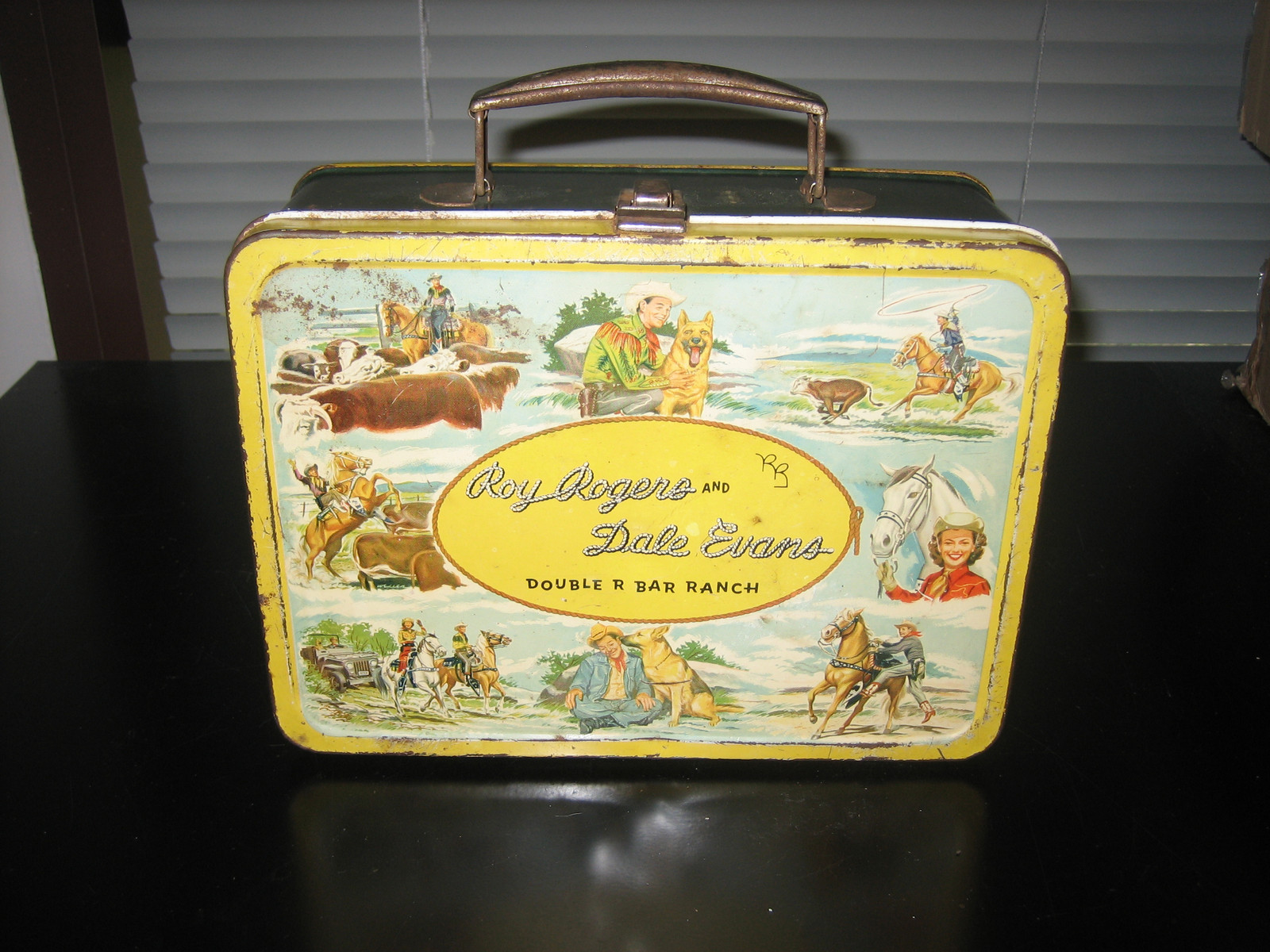
We carried our lunch to the Oak Grove one-room country school in the late 1940s and all thru the 1950s. Usually had a lunch pail or lunch box. My favorite was the metal box about 6 inches by 9 inches and 4 inches deep with a little handle on top for carrying.

The entire lunch box had that Roy Rogers motif, with Roy, Trigger, Dale Evans, Bullet the dog, Roy’s sidekick Pat Brady, and Nellybelle, his jeep. A half dozen or so colored pictures showing Roy riding his horse, rounding up cattle, Dale Evans and logo of the Double R Bar Ranch. My favorite picture was Bullet licking Pat Brady’s face.

I admired Pat Brady the most. I got a Pat Brady coloring book for Christmas when I was about 4 or 5 years old. I later learned that Pat Brady served with Gen. George Patton’s Third Army in Europe in World War II. He was decorated for bravery and earned the bronze star and two Purple Hearts. He rescued some of his army buddies when the top of their army tank was blown off in near Metz, France in November 1944.

I used that lunch pail for third and fourth grade until the two hinges tore lose. Some kids brought their lunch in syrup cans. Later I got a black lunch box with a dome top and a thermos bottle fit into the dome top, held by a wire latch. The inside of the lunch box was painted white. They were durable, sturdy, and the vacuum bottle held about two cups, and the lid, usually red, acted as a drinking cup.

Mom would make the school lunches. Homemade bread with jelly and peanut butter wrapped in wax paper, orange, banana, and a brownie. We took soup in a glass jar with a tight- fitting lid. Fifteen minutes before lunch, some of the older boys or girls, would prepare a big pan or two, put in several inches of water and set it atop the wood burning stove and later, the oil burner stove, Each kid would get out their jar of soup heat it up by putting it in the pan of water.

That was our hot lunch program in the winter time when the stove and furnace was needed, then we ate inside. Spring and fall, we’d take our lunch boxes outside and sit on the concrete steps, or cistern skirting, or along the sunny south side of the school. Sometimes we traded lunch items.


Posted in Uncategorized | 1 Comment

Late August in Crawford County

Late August in Crawford County was an exciting time for the Scheckel kids growing up on the farm outside of Seneca in the 1940s and 1950s. School started around August 23, depending on when Monday fell. The grass and weeds on the schoolyard had grown two to three feet tall. Floyd Sutton mowed the half-acre patch with his hay mower attached to his Minneapolis Moline tractor.

Everyone walked to the one-room Oak Grove School, except the Rosenbaum’s, who were three miles out on the end of the Ridge. It wasn’t the end of the world, but you could see it from there, a saying coined by Nebraskan Roger Welch.

The Fradette, Mahan, Sutton, Ingham, and Lucey kids came from the North. The Scheckel and Kozelka kids came from the South. The two Pease girls came up out of Kettle Hollow. A hello from the teacher, greetings among classmates, the bat and ball were retrieved from the corner of the coat annex, Bases, actually boards or dried cow pies, were laid out approximately where they were after the school picnic in late May.

The wood shed was the backstop. The softball diamond tilted, you ran downhill to first base, and uphill from second to third. With no time to choose sides for teams, a game of 500 or work-up ensued.

Teacher ran the school bell at 9 o’clock. Kids dutifully filed in. Teacher said a few friendly words of greetings. The entire class of eighth-graders held up the American flag in the front of the room. Everyone stood for the Pledge, then the two eighth graders took the flag out the white, hinged, and squeaky door, They ran it up the 12 foot steel pole. It’s 1949 and learning could now begin.


Posted in Uncategorized | Leave a comment

Summer in Tomah

All is well in Tomah country as we are in the “dog days of summer”, very warm days with cool nights. We had about an inch and a half of much-needed rain the past two days. The corn and soybeans crops are looking fantastic. Should be a bumper cranberry harvest.

With Roundup Ready seeds, the fields are virtually weed-free, a far cry from the 1940s and 1950s corn fields on our home farm near Seneca in the heart of Crawford County. We’d have to cultivate corn at least three times to keep the weeds down.

Ann and I retired from teaching eight years ago. Thus far we have enjoyed good health and health is everything. Yes, we are mindful that situations can change in an instant. Life is “pretty good” right now and those years slip by very quickly. We have been quite lucky to travel, bicycle, fly our club Cessna, jog (slowly), play guitar (badly), fly RC planes, visit children and grandchildren, be involved in church activities, write a few books, and some columns for newspapers and magazine.

We got our latest book Murder in Wisconsin: The Clara Olson Case out the past few weeks. The first edition is not perfect. Has a few punctuation errors and other minor issues, but the next printing should be close to “good enough”.  We also have a new science book, I Wondered About That Too, coming out in November. Published by TumbleHome Learning out of Boston. Another science book in 2019.

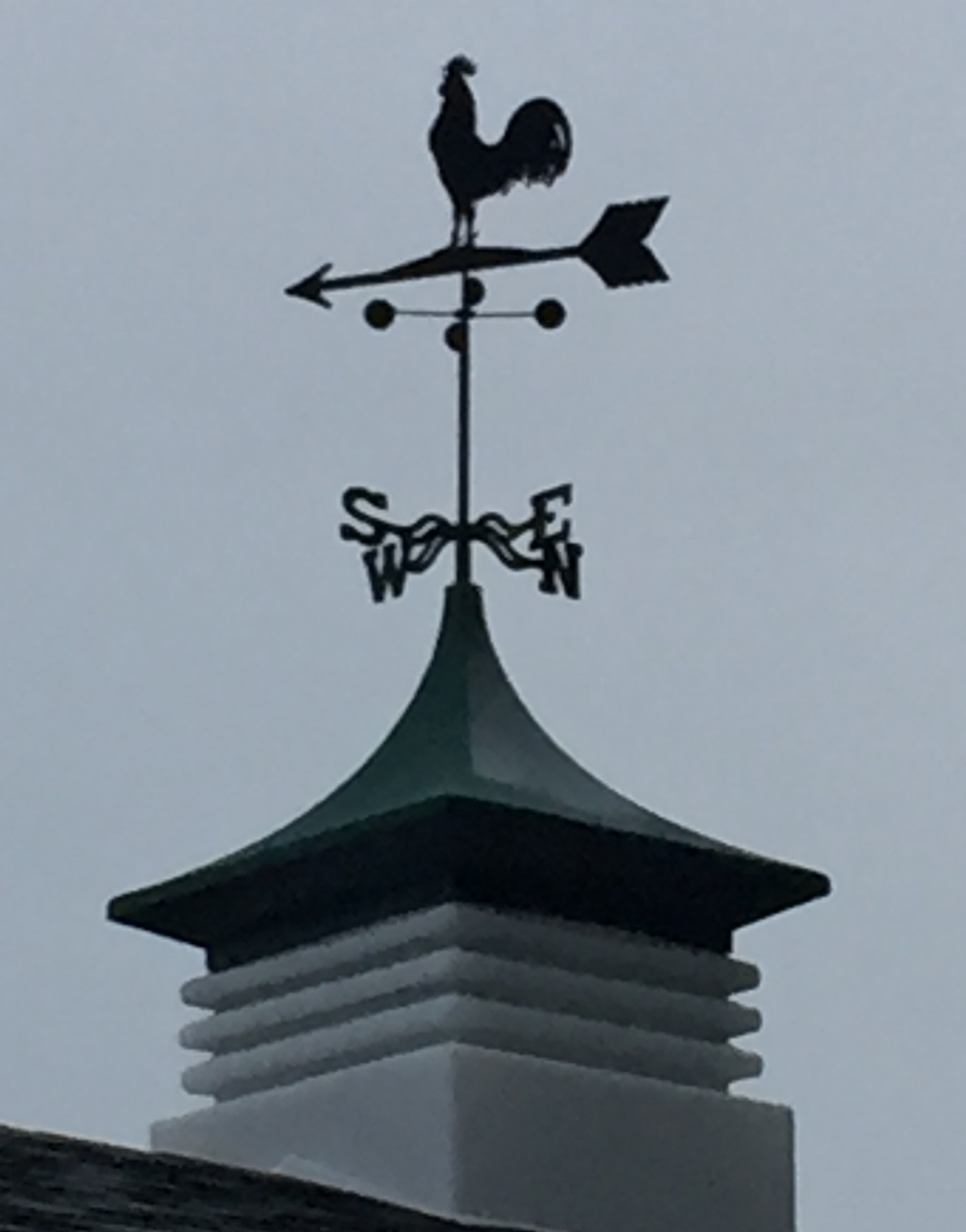
My big project for the week was putting a new cupola on our newly-shingled garage. Had to order it off the Internet, as Menard’s, Home Depot, and All American Do It Center did not carry them. It was a tough choice between a tractor, horse, cow, or rooster for the weather vane. I went with the rooster. Our Big Barn on the farm had a horse and the Small Barn had a cow on the weather vane. When I left the farm in the fall of 1960 to go into the Army, both horse and cow suffered from numerous holes and missing parts, shots from a .22 rifle. I think my brothers did it.


Posted in Uncategorized | Leave a comment

The Haying Season part 7

via The Haying Season part 7

Posted in Uncategorized | Leave a comment

The Haying Season part 7

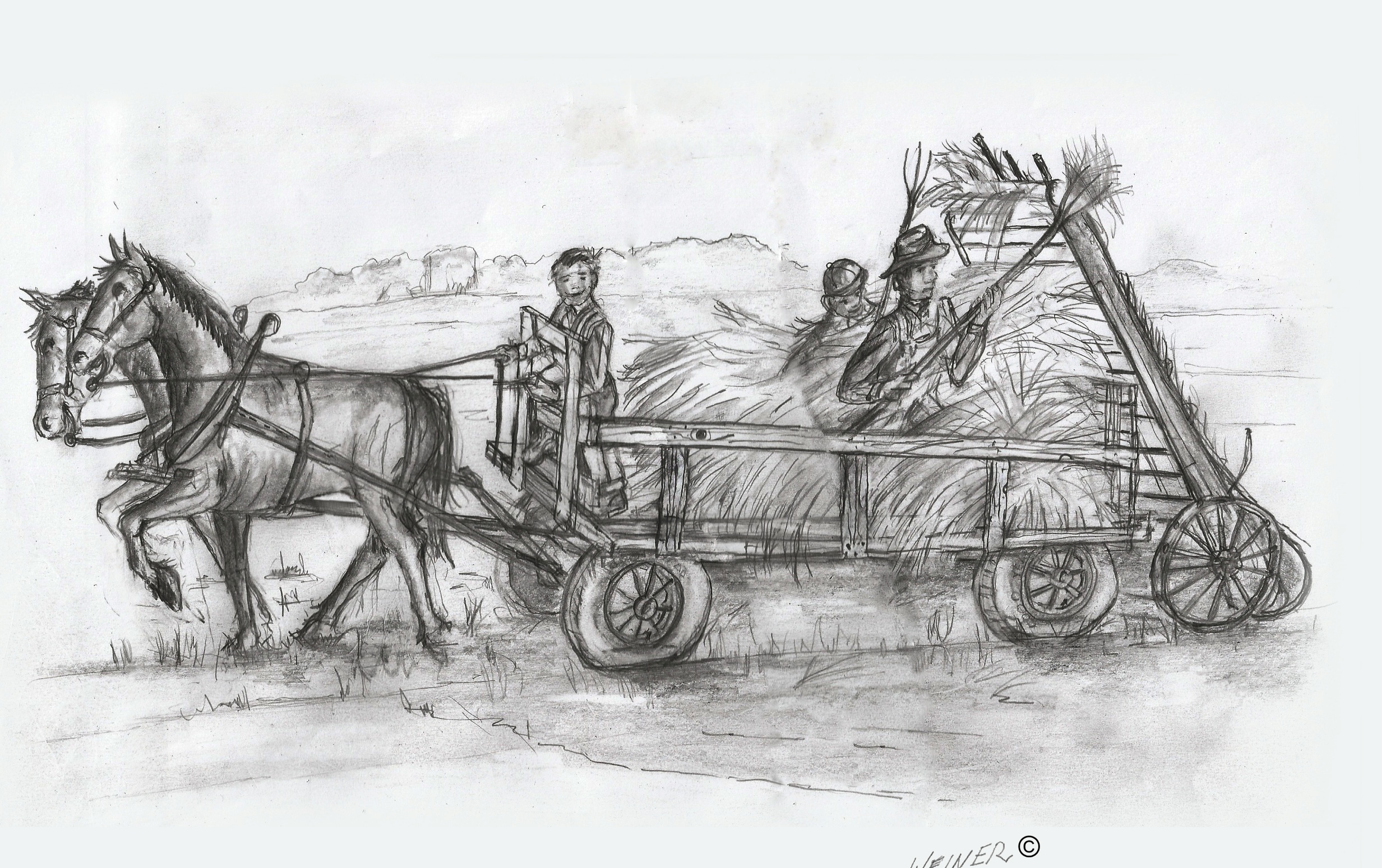
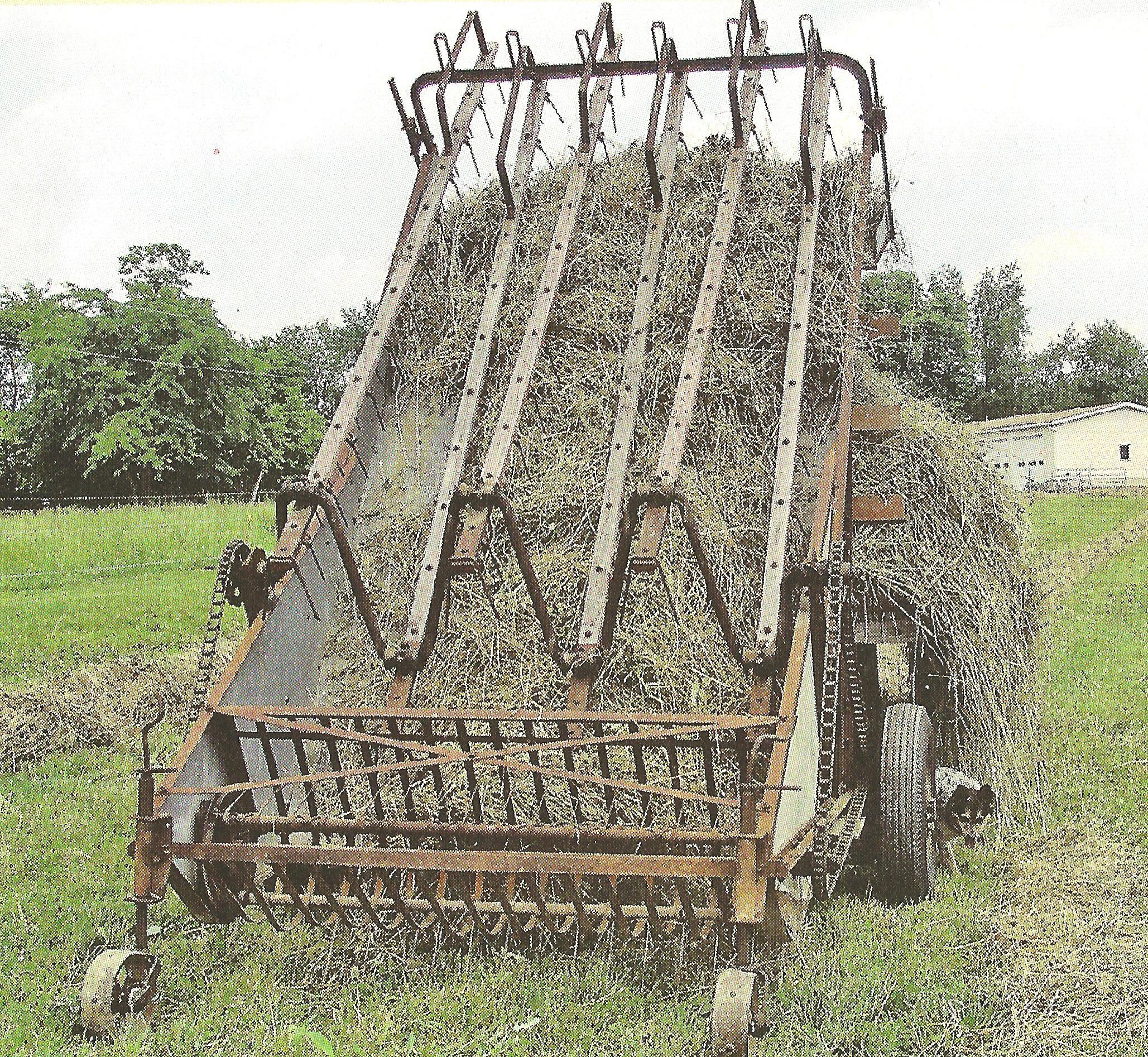
We’re ‘putting up hay” in the late 140 and early 1950s on the Scheckel farm near Seneca in the middle of Crawford County, Wisconsin. The six long reciprocating arms brought the hay up from the ground and it tumbled off the top of the hay loader onto the wagon.

Putting up hay with a team of horses was quiet affair, no motors or engines. Horses don’t make much noise. Putting up hay loose, not baled, one could hear songbirds, notice hawks soaring overhead, searching for mice, crows cawing in the distance woods. Putting up hay loose was a chance to admire the patchwork of fields, woods, and neighboring farmsteads.

The sickle mower was the loudest piece of machinery in the whole operation, and that was only because of the rhythmic click, click, click of the sickle bar moving to and fro. The side rake was quiet, just the swish, swish, swish of the big reel turned and twanging noise of the tines occasionally striking the ground. The hay loader emitted a bunch of low volume noises. All those machine parts, gears, drive chains.  But for the most part, haying was quiet, idyllic, slow paced, steady, even picturesque.

That is the view I have of haying as I look back at it now. That was not my view at the time. In the 1940’ and 1950’s, haying was back breaking, dirty, dusty, and sweaty toil. Occasionally, a snake would come up the hay loader and onto the wagon. Oh, that was great excitement. The Scheckel boys did not like snakes. We took every opportunity to kill them. Typically, they were garter snakes and black snakes or what we called bull snakes. Those snakes were quite harmless, and we were told they ate a lot of field mice. But I always considered snakes to be one of God’s mistakes


Posted in Uncategorized | Leave a comment

The Haying Season part 6

We’re ‘putting up hay” in the late 1940 and early 1950s on the Scheckel farm near Seneca in the middle of Crawford County, Wisconsin. Dad had a heavy wooden hay loader from the 1930’s. Many of our windrows of hay were up and down hills. Two horses pulling a loaded hay wagon, with 2 or 3 people aboard, and a heavy wooden hay loader behind-  well,  that is asking a lot from Dolly and Prince. Somewhere along the line, he bought a lighter metal New Idea hay loader. It was the one he sold at the farm auction in 1965.

What an exquisite piece of equipment! Standing about 10 feet off the ground and about five feet wide, the horses straddled the windrow of hay. The big wheels of the hay loader drove the mechanical parts.  A wheel driven chain on the left side turned the rotary rake, and drove 6 rows of tines, 3 offset from the other 3, that raised the hay up a sloping chute and into the hay wagon.

It took 3 people to run this operation. Dad took the hay coming from the hay loader and forked it forward. One of us boys, Phillip, Bob, or me,  built the hay load in the front area of the wagon and another boy drove the team. That was the desired job. No sweat equity here. It was like being in the wheelhouse on a Mississippi River steamboat. Sun beating down, blue sky with puffy white clouds, breeze blowing. It doesn’t get better than this!

Several times around the field to get a full load depending on whether it was first crop or second crop or third crop, how steep the fields, and how close to the barn.  We boys traded off tasks. Didn’t always get the job you wanted. It was a matter of pride to build a good load. The hay wagon has boards on all four sides. Built up about 3 ft on the two sides, about 4 feet in the back, and the front was up about 3 feet, but had a 3 feet center that was raised about the other front side board. The reins of the horses could be tied to these boards.

If short-handed on help, the reins were draped over the front boards of the hake rack. The Scheckel handling the hay in the front of the wagon could both drive the horses and help with the load. The horses knew where they were going. They were smart enough to straddle the windrow of hay. The only time they needed “steering” was at the end of the row or a ninety-degree turn. I suspect they could pretty much do that also.


Posted in Uncategorized | Leave a comment

The Haying Season part 5

It’s haying season on the Scheckel farm outside Seneca in the heart of Crawford County, Wisconsin. Like all farm machinery of the 1940s and 1950s, frequent greasing was necessary.  The grease gun was a constant companion. The grease gun was filled from a big 5 gallon pail of grease, unthreading the body from the head, sticking the open-end body down into the grease, and pulling the small handle in the back. The gun filled with grease by suction.

Dad bought buckets of grease from his brother Arnold. Our Uncle Arnie had a farm down on Wauzeka Ridge and also sold grease, oil, and seed on the side.

Machinery got a grease job before starting out. A hay mower might have 3 or 4 zerts. A zerk is a grease fitting, or grease nipple, Sometimes they’re called Alemite fittings. I learned that the patent for the Zerk fitting was awarded to Oscar U. Zerk in 1929, and assigned to the Alemite Manufacturing Corporation. The grease gun fitted over the nipple, the handle was pumped three or four times, or until you saw grease oozing out of the bearing area.

Oscar U. Zerk was born in Vienna, Austria in 1878, came in America in 1946, but lived in Kenosha, Wisconsin. Quite the inventor, he held patents on quick-freezing ice cube trays, special brakes on trolley cars, and over 300 other inventions. Zerk was very much in the news in Feb 1954, when robbers broke into his mansion “Dunmovin” tied him to a chair, stole dozens of valuable paintings, valued at $200,000 and escaped in Zerk’s own car.

A year later, a career criminal, Nick Montos, was arrested in Chicago, and given 7 years for the robbery. He spent a good amount of time in Alcatraz, died in Nov 2008, age 92, oldest criminal in Massachusetts history.  Zerk died at age 90 and is buried in historic Green Ridge Cemetery in Kenosha. Growing up as a kid on the farm, we used the work “zerk” a gazillion times but had no idea of the origin of the name.

Machinery was greased several times a day. A threshing machine might have as many as 15 or 16 zerts. Haying was usually a late morning and afternoon affair. The hay lay in long ropes winding around the field. It was a pretty sight to behold. If it rained while the hay was in windrows, the rake was used to turn the windrow over a few hours before harvesting the hay. It gave the sun and wind a chance to dry the hay.

The ideal conditions are to cut the hay, let it lay 3 days, rake it and harvest it before it rains. Well, that’s the ideal, but every farmer knows he’s at the whim of God and His Divine Providence. (Mother Nature, if you’re an atheist).


Posted in Uncategorized | Leave a comment